BOP vs General Liability: Which Does Your Texas Business Need?
A business owner’s policy (BOP) bundles general liability, commercial property, and business interruption into one discounted package, while standalone general liability covers only third-party bodily injury and property damage claims. Most Texas small businesses with physical locations save 15–25% by choosing a BOP over buying each coverage separately. Your independent commercial insurance agent can determine which structure gives you the broadest protection at the lowest total cost by comparing quotes across 18+ carriers.
Ready to compare? Get Your Free QuoteIdentify potential gaps in your protection with our coverage gap calculator.
The “Enough Coverage” Trap
- Standalone GL covers only third-party liability, which means a fire destroying $200,000 in equipment leaves you completely uninsured without commercial property coverage
- A BOP excludes workers’ comp, commercial auto, E&O, EPLI, and cyber—the catch is 60% of Texas small business owners assume their BOP covers “everything”
- Growing past BOP eligibility without transitioning to a commercial package creates a renewal gap—your carrier simply non-renews you at the $5M revenue threshold
- BOP hired/non-owned auto only covers employee-driven personal cars, which means 1 company-owned van requires a separate $1,200–$3,000 commercial auto policy
The Real Numbers
- A Texas BOP costs $500–$2,500 per year bundling GL, property, and business interruption—that is 15–25% less than buying each of those 3 coverages separately
- Standalone GL runs $400–$1,500 annually, which means adding property and BI via a BOP costs as little as $100–$1,000 more for dramatically broader protection
- Restaurants and retail pay 40–60% more for BOPs than office businesses because slip-and-fall exposure and on-site property values are substantially higher
- Transitioning from BOP to a commercial package with 18+ carrier comparison earns 10–20% package credits that offset the higher base premiums of customized coverage
The Decision Framework
- Choose standalone GL only if you work from home with under $5,000 in business equipment—the moment you lease space, a BOP becomes the smarter buy
- BOP eligibility caps at $5M–$10M revenue, fewer than 100 employees, and under 25,000 square feet—exceeding any 1 threshold forces a commercial package transition
- High-hazard industries like roofing, nightclubs, and heavy manufacturing are BOP-ineligible, which means you must build a custom commercial package from day 1
- Review your BOP annually at renewal or whenever revenue grows 20%+, because property sub-limits that were adequate last year can leave you $100,000 underinsured today
The Canopy Advantage
- Canopy compares BOP quotes across 18+ carriers, which means your specific industry gets matched to the underwriter offering the deepest bundle discount available
- Your dedicated account manager reviews revenue and payroll at every renewal to catch businesses outgrowing their BOP before a claim exposes $50,000+ in inadequate limits
- EJ Nadolny’s 15+ years of commercial experience means your layered program fills every BOP gap—E&O, EPLI, cyber, umbrella—without redundant coverage overlap
- Canopy’s 99.1% client retention reflects proactive BOP-to-CPP transitions that keep your protection aligned with actual business growth, not a stale policy from 3 years ago
Is a BOP cheaper than buying general liability and property insurance separately?
Yes. BOPs typically cost 15–25% less than purchasing equivalent general liability, commercial property, and business interruption coverages as separate policies because carriers price the bundle at a discount.Can I get a BOP without general liability?
No. General liability is a mandatory component of every BOP—you cannot remove it. The BOP structure requires GL, property, and business interruption as a minimum package.Does a BOP cover lawsuits from customers?
Yes. The general liability portion of a BOP covers third-party bodily injury and property damage claims, including legal defense costs, up to your policy’s per-occurrence and aggregate limits.What Exactly Does a BOP Cover?
When I review coverage options for Texas small businesses, the BOP is almost always the most cost-effective starting point because the bundle discount alone saves 10-20% over standalone policies. A BOP covers three core exposures in one policy: general liability for third-party claims, commercial property for your building contents and equipment, and business interruption for lost income during covered closures. This bundled structure provides comprehensive protection for Texas small businesses that own or lease physical space and need liability protection in one streamlined package.What Does Standalone General Liability Cover?
The most common mistake I see is a business that carries standalone GL without commercial property, then suffers a fire or theft that destroys their equipment with no coverage to replace it. Standalone general liability covers only third-party bodily injury, property damage, personal/advertising injury, and medical payments—nothing else. It does not protect your own property, cover your lost income, or provide any first-party benefits if your business suffers physical damage.GL Coverage Breakdown
- Bodily injury: Pays medical bills, legal defense, and settlements when a customer, vendor, or visitor is injured on your premises or by your operations—slip-and-fall claims are the most common trigger for Texas retail businesses
- Property damage to others: Covers damage your business operations cause to someone else’s property, such as a contractor damaging a client’s flooring during a service call
- Personal and advertising injury: Protects against claims of libel, slander, copyright infringement in advertising, wrongful eviction, or invasion of privacy arising from your business activities
- Medical payments (Med Pay): Pays minor medical expenses ($5,000–$10,000) for injured third parties regardless of fault, preventing small incidents from becoming lawsuits
How Do BOP and GL Costs Compare in Texas?
Policies I've placed for Texas small businesses show that a BOP routinely saves $300-$800 per year over buying the same coverages separately. A Texas BOP typically costs $500–$2,500 per year depending on industry, revenue, and location, while standalone GL runs $400–$1,500 per year for similar businesses. The BOP premium includes property and business interruption coverage that would cost $800–$2,000 separately, making the bundle significantly cheaper than buying individual policies.| Coverage Approach | Annual Cost (Typical TX Small Business) | What’s Included | Best For |
|---|---|---|---|
| Standalone GL only | $400–$1,500/year | Third-party liability only | Home-based, no physical assets |
| GL + separate property + separate BI | $1,800–$4,500/year | Liability + property + income protection (3 policies) | Businesses ineligible for BOP |
| BOP (bundled) | $500–$2,500/year | GL + property + BI + built-in extras (1 policy) | Most small businesses with a physical location |
| Commercial package policy (CPP) | $3,000–$10,000+/year | Customized GL + property + BI + optional endorsements | Businesses that outgrow BOP limits |
Factors That Affect Your Texas BOP Premium
- Industry classification: Restaurants and retail stores pay 40–60% more than office-based businesses due to higher slip-and-fall exposure and property values on-site
- Annual revenue: Carriers use revenue as a proxy for customer exposure—every $100,000 in additional revenue typically adds $50–$150 to your GL premium component
- Location and building age: Businesses in older buildings, flood zones, or high-crime ZIP codes face 20–35% higher property premiums that flow through to BOP pricing
- Claims history: One or more GL claims in the past 3–5 years can increase your BOP premium by 15–40% or make certain carriers decline to quote entirely
Who Qualifies for a BOP in Texas?
Most Texas businesses with under $5M in annual revenue, fewer than 100 employees, and less than 25,000 square feet of space qualify for a BOP. Carriers set eligibility criteria to keep the BOP product profitable by limiting it to lower-risk businesses that fit standardized underwriting models.Typical BOP Eligibility Requirements
- Revenue caps: Most carriers cap BOP eligibility at $3M–$10M in annual revenue, with the exact threshold varying by industry—restaurants may cap at $3M while professional offices qualify up to $10M
- Employee count: Generally limited to businesses with fewer than 100 full-time employees, though some carriers set the threshold at 25 or 50 for higher-risk industries
- Premises size: Occupied square footage typically must be under 15,000–25,000 square feet per location, with total insured property values under $1M–$5M depending on the carrier
- Industry eligibility: Office-based businesses, retail stores, restaurants (non-bar), professional services, and light contractors typically qualify, while heavy manufacturing, nightclubs, and roofing contractors are usually excluded
What Is NOT Covered by a BOP?
A BOP does not cover workers’ compensation, commercial auto, professional liability (E&O), employment practices liability, cyber liability, or umbrella/excess coverage. These gaps represent the most common sources of uninsured losses for Texas small businesses that assume their BOP covers “everything.”Critical BOP Exclusions
- Workers’ compensation: Required in Texas for government contractors and strongly recommended for all employers—covers employee injuries on the job, which BOP ge
- Commercial auto: Any vehicle owned, leased, or used for business purposes needs a separate commercial auto policy—BOP hired/non-owned auto only covers liability for employee-driven personal vehicles lity for employee-driven personal vehicles
- Professional liability / E&O: Claims alleging negligent advice, errors in professional services, or failure to deliver contracted results require a separate professional liability policy regardless of your BOP
- Employment practices liability (EPLI): Wrongful termination, discrimination, harassment, and retaliation claims from employees are not covered by BOP general liability and require a standalone EPLI policy
- Flood and earthquake: Standard BOPs exclude flood and earth movement—Texas businesses in flood zones need separate flood insurance through NFIP or private markets
When Should You Choose Standalone GL Over a BOP?
Choose standalone GL when your business has minimal property exposure—no owned equipment, no leased commercial space, no inventory—and your primary risk is liability from your services or products. This applies to a narrow set of Texas business types where property coverage would be wasted premium.Standalone GL Makes Sense When
- You work from home: Home-based consultants, freelancers, and virtual service providers with less than $5,000 in business equipment typically need only GL plus a home business endorsement on their homeowners policy
- You lease all equipment: If every piece of equipment is leased or rented and the lessor carries property coverage, you may not need your own commercial property insurance
- You need GL for a contract requirement: Many clients and landlords require proof of GL coverage to sign a contract—a standalone policy satisfies this requirement at the lowest possible cost when property coverage is unnecessary
- Your industry is BOP-ineligible: High-hazard businesses excluded from BOPs still need GL and must purchase it standalone as part of a commercial package policy built piece by piece
When Should You Graduate from a BOP?
Graduate from a BOP to a commercial package policy (CPP) when your revenue exceeds carrier eligibility thresholds, your property values outgrow BOP sub-limits, or you need coverage customizations that BOPs cannot accommodate. This transition is a sign of growth, not a problem—it means your business needs a more sophisticated insurance program.Signs You’ve Outgrown Your BOP
- Revenue exceeds $3M–$5M: Most carriers will non-renew your BOP or refuse to increase limits once revenue passes their eligibility threshold, forcing a transition to CPP regardless
- Property values exceed $1M–$2M: BOP property limits typically cap at $1M–$5M total, and businesses with significant equipment, inventory, or tenant improvements may need higher limits with scheduled coverage
- You need specialized endorsements: BOPs offer limited customization—if you need pollution liability, equipment breakdown, inland marine, or manuscript endorsements, a CPP provides the flexibility
- Multiple locations: While some carriers allow multi-location BOPs, businesses with 3+ locations often get better pricing and broader terms from a CPP with individually scheduled premises
The Bottom Line
For most Texas small businesses with a physical location, a BOP is the smarter buy—you get general liability, commercial property, and business interruption coverage bundled at 15–25% less than buying them separately. Standalone GL only makes sense if you have zero property exposure and need liability coverage alone. The key is matching your policy structure to your actual risk profile, not defaulting to the cheapest option. An independent agent with CLCS credentials and 15+ years of commercial experience can compare BOP quotes across 18+ carriers and identify exactly when a BOP serves you well versus when you need to graduate to a full commercial package.Next step: Get a quote from Canopy Insurance and let your dedicated account manager determine whether a BOP or standalone GL best fits your business today.Frequently Asked Questions
What industries are ineligible for a BOP in Texas?
Roofing contractors, bars and nightclubs, heavy manufacturing, auto body shops, and businesses with significant hazardous materials exposure are typically ineligible. These industries must purchase commercial package policies with individually underwritten GL and property components.Can I add professional liability to my BOP?
Some carriers offer a professional liability endorsement on BOPs for low-risk professions like consulting or bookkeeping. However, higher-risk professions (attorneys, architects, medical providers) need standalone E&O policies with dedicated limits and specialized policy forms.Does a BOP cover my business vehicle?
No. BOPs include hired and non-owned auto liability (covering employees driving their personal cars for business), but any company-owned or leased vehicle requires a separate commercial auto policy with its own liability and physical damage coverage.How much general liability coverage comes in a standard BOP?
Standard BOP general liability limits are $1M per occurrence and $2M aggregate, matching standalone GL defaults. You can increase to $2M/$4M or add an umbrella policy for businesses that need higher limits due to contract requirements or elevated exposure.Can I have a BOP and a separate GL policy at the same time?
No—since a BOP already includes general liability, carrying a separate GL policy would create duplicate coverage and “other insurance” conflicts that complicate claims. If you need higher GL limits, increase BOP limits or add an umbrella instead.Does switching from GL to a BOP create a coverage gap?
Not if your agent times the BOP effective date to match your GL expiration date. Canopy coordinates policy transitions so the BOP activates the same day your standalone GL terminates, ensuring zero gap in coverage.Will my BOP cover a data breach?
No. Standard BOPs exclude cyber incidents including data breaches, ransomware, and network security failures. Texas businesses that store customer data need a separate cyber liability policy, which typically costs $500–$2,000 per year for small businesses.How often should I review whether my BOP still fits?
Review annually at renewal, or whenever you experience significant changes—revenue growth above 20%, new locations, new services, or employee count changes. Canopy’s 99.1% retention rate reflects proactive annual reviews that keep coverage aligned with actual business operations.- Texas Department of Insurance — Commercial Insurance Resources
- Insurance Information Institute — Business Owners Policy (BOP)
- Insurance Information Institute — General Liability Insurance
- Investopedia — Business Owners Policy (BOP) Definition
- U.S. Small Business Administration — Get Business Insurance
- NAIC — Commercial Lines Insurance
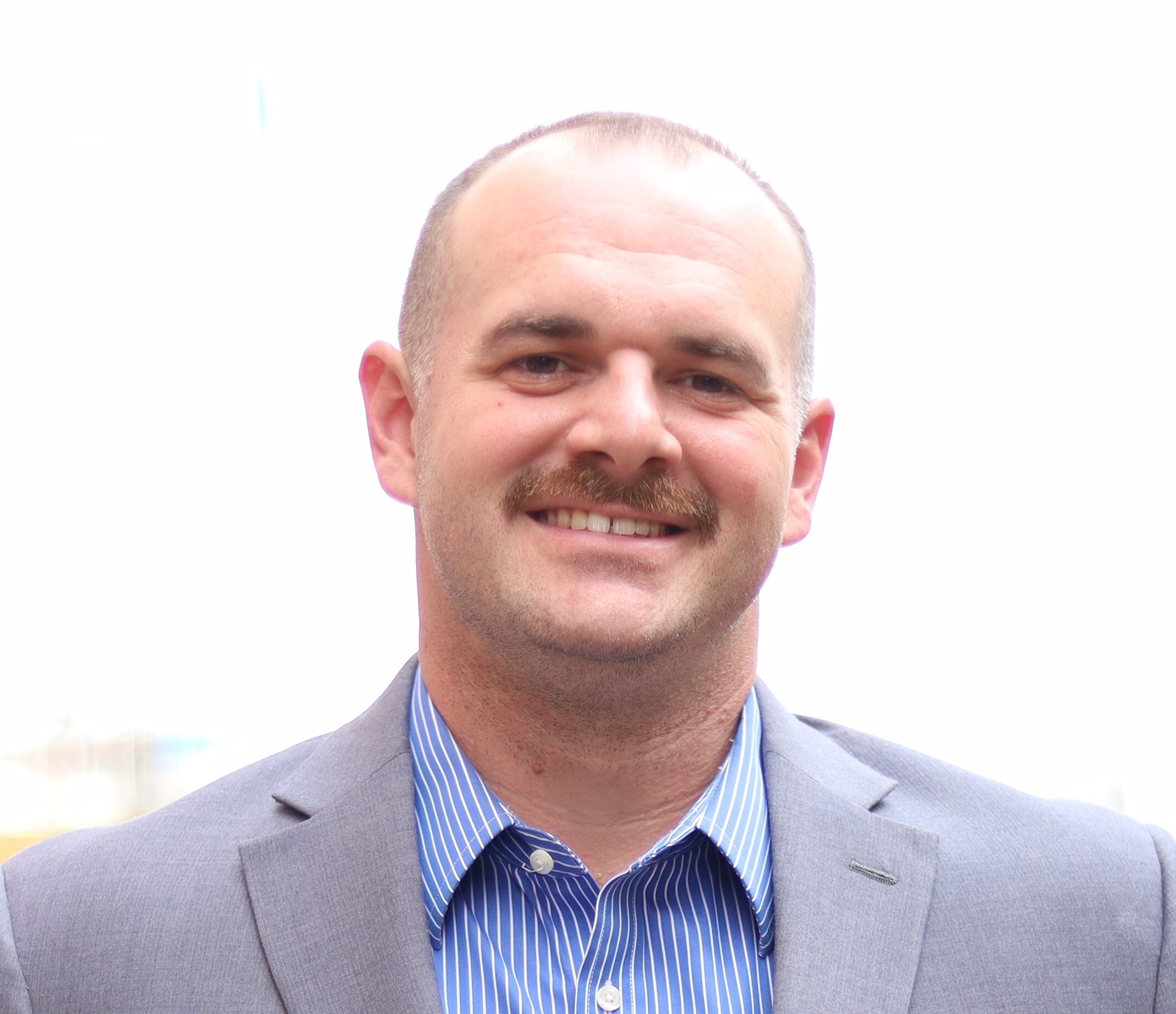
EJ Nadolny is the Founder and CEO of Canopy Insurance Texas, a commercial and property insurance veteran leading the agency’s strategic vision. He holds a B.S. in Mathematics and Biochemistry from St. Mary’s College of Maryland.