
Home Insurance · Mold Coverage
Mold Coverage in Texas Homeowners Insurance: What Is Covered, What Is Not, and How to Close the Gap
Texas homeowners insurance covers mold damage only when it results directly from a sudden, covered peril like a burst pipe or appliance overflow. Mold from humidity, condensation, long-term leaks, or deferred maintenance is excluded on every standard policy. Most Texas HO-3 policies cap mold remediation at $10,000 to $25,000, which rarely covers the full cost of professional remediation that typically runs $15,000 to $30,000 for a moderate infestation. Understanding your mold sublimit and available endorsements is the difference between a manageable claim and a five-figure out-of-pocket surprise.
Ready to compare? Get Your Free QuoteCheck whether your current limits are adequate with our home underinsurance calculator.
The Hidden Sublimit Trap
- Most Texas HO-3 policies cap mold coverage at $10,000–$25,000, but professional remediation for a moderate infestation runs $15,000–$30,000 in Texas
- The sublimit applies per occurrence, which means one burst pipe that causes mold in three rooms still has a single cap, not per-room coverage
- Mold resulting from humidity, condensation, or gradual water intrusion is excluded on every standard Texas homeowners policy regardless of your sublimit
- Texas humidity accelerates mold growth within 24–48 hours of water exposure, turning a covered pipe burst into an excluded mold claim if mitigation is delayed
The Real Numbers
- Professional mold remediation in Texas costs $15,000–$30,000 for moderate infestations, with severe cases reaching $50,000+ when structural materials must be replaced
- A mold endorsement increasing your sublimit from $10,000 to $50,000 typically costs $100–$300 per year in additional premium
- Texas ranks in the top 5 states for mold claims because of its combination of humidity, severe storms, and flood-prone geography
- Mold damage reduces property value by 20–30% if not properly remediated, making the coverage gap a property investment issue, not just an insurance question
The Coverage Decision Tree
- Mold from a sudden pipe burst: COVERED under your water damage coverage, subject to your mold sublimit
- Mold from a slow leak behind a wall: DENIED because gradual water intrusion is not a sudden, accidental covered peril
- Mold from humidity or poor ventilation: DENIED under every standard Texas policy because environmental conditions are excluded
- Mold after a flood: DENIED by your homeowners policy because flood is excluded, and NFIP flood policies do not cover mold remediation either
The Canopy Advantage
- Canopy reviews your current mold sublimit against Texas remediation costs and recommends the endorsement level that actually covers a realistic claim
- Your dedicated account manager shops 18+ carriers to find policies with higher base mold limits, eliminating the need for an endorsement on some carriers
- Annual reviews catch policy changes where carriers reduce mold sublimits at renewal without prominent notice, a growing trend in the Texas market
- 99.1% retention reflects homeowners who discover their mold coverage was built to handle a real Texas claim, not just a policy checkbox
Does Texas homeowners insurance cover mold?
Only if the mold resulted directly from a sudden, covered peril such as a burst pipe, appliance overflow, or accidental water discharge. Mold from humidity, gradual leaks, flooding, or maintenance failures is excluded on all standard Texas homeowners policies.How much does mold remediation cost in Texas?
Professional mold remediation in Texas costs $15,000 to $30,000 for moderate infestations affecting multiple rooms. Small, contained areas may cost $1,500 to $5,000. Severe infestations requiring structural material replacement can exceed $50,000. Your policy's mold sublimit determines how much the carrier pays.Can I buy additional mold coverage on my Texas homeowners policy?
Yes. Most Texas carriers offer mold endorsements that increase the sublimit from the standard $10,000–$25,000 to $50,000 or more. The endorsement typically costs $100 to $300 per year. Some carriers also offer limited mold coverage that extends to certain gradual conditions, though this is rare.When Is Mold Covered Under Texas Homeowners Insurance?
Mold is covered only when it is a direct consequence of a sudden, accidental event that your homeowners policy already covers. The most common version of this I see is a homeowner who discovers mold behind drywall after a pipe burst and files a claim, only to have the carrier approve the water damage but cap the mold portion at a sublimit that falls short of the actual remediation cost.Covered Mold Scenarios
- Burst pipe: A supply line ruptures suddenly, water saturates drywall and insulation, and mold develops within 48 hours. The pipe repair and water damage are covered under your dwelling coverage, and mold remediation is covered up to your sublimit
- Appliance overflow: A washing machine supply hose fails or a water heater ruptures, flooding an interior space. Resulting mold is covered because the water source was a sudden, accidental failure
- Accidental discharge: An HVAC condensate line backs up and overflows onto flooring and walls. If the backup was sudden and not the result of deferred maintenance, mold from the water damage is covered
- Fire suppression: Sprinkler activation or firefighter water use during a covered fire event creates standing water that produces mold. The mold is covered as part of the fire damage claim
When Is Mold Excluded From Coverage?
The exclusion list is longer than the coverage list. In my experience writing home insurance in Texas, mold claim denials outnumber approvals because most mold results from conditions that homeowners policies specifically exclude.Excluded Mold Scenarios
- Gradual water intrusion: A slow leak behind a wall or under a slab that goes undetected for weeks or months is classified as gradual seepage, which is excluded from standard policies
- Humidity and condensation: Mold caused by poor ventilation, high indoor humidity, or condensation on windows and walls is a maintenance issue, not an insurable event
- Flood damage: Mold resulting from rising water, storm surge, or surface water flooding is excluded because flood damage itself is excluded from homeowners policies entirely
- Deferred maintenance: A roof leak that the homeowner knew about and failed to repair, leading to mold growth in the attic or walls, is denied because the carrier requires reasonable maintenance
- Construction defects: Mold caused by improper waterproofing, inadequate drainage, or building envelope failures during original construction is a builder defect issue, not an insurance claim
Understanding Mold Sublimits in Texas Policies
Even when mold is covered, your payout is capped by a sublimit that is almost always lower than the full cost of professional remediation. When I review home insurance policies for Texas homeowners, the mold sublimit is one of the first numbers I check because the gap between a $10,000 cap and a $25,000 remediation bill comes directly out of the homeowner's pocket.| Carrier Mold Sublimit | Typical TX Remediation Cost | Your Out-of-Pocket Gap |
|---|---|---|
| $10,000 (common baseline) | $15,000–$25,000 | $5,000–$15,000 |
| $25,000 (mid-tier) | $15,000–$25,000 | $0–$0 (adequate for moderate) |
| $50,000 (with endorsement) | $25,000–$50,000 | $0 (covers most severe cases) |
Check Your Dec Page: Your mold sublimit is listed on your declarations page, usually under "Limited Fungi, Wet Rot, Dry Rot, and Bacteria" or similar language. If you cannot find it, call your agent and ask specifically. Carriers can and do reduce mold sublimits at renewal without prominent notice.
How to Protect Your Home and Your Coverage
Prevention is more cost-effective than remediation, and documented prevention also strengthens your position if you ever need to file a mold claim. Carriers look at whether you took reasonable steps to prevent and mitigate the damage.Prevention and Documentation Steps
- Fix leaks immediately: A dripping pipe or slow roof leak that goes unrepaired for weeks gives the carrier grounds to deny a mold claim as deferred maintenance
- Maintain HVAC systems: Annual servicing of condensate lines, drip pans, and ductwork prevents the moisture conditions that breed mold and demonstrates reasonable care
- Monitor humidity levels: Keep indoor humidity below 50% using dehumidifiers in bathrooms, laundry rooms, and any enclosed spaces without direct ventilation
- Document water events: If any water event occurs, photograph the damage immediately, contact your carrier within 24 hours, and begin mitigation to prevent mold growth
- Install leak detection: Smart water sensors near water heaters, washing machines, and under sinks detect leaks early, and some carriers offer premium discounts for them
Mold Remediation Costs in Texas: Real Numbers
Mold remediation costs depend on how far the growth has spread and whether structural materials need replacement. Most Texas homeowners are surprised by the gap between their policy sublimit and actual remediation bills.| Scope | Typical Cost | What It Involves |
|---|---|---|
| Small contained area (under 10 sq ft) | $500-$3,000 | HEPA vacuuming, antimicrobial treatment, single-room containment |
| Room-scale (10-100 sq ft) | $3,000-$10,000 | Drywall removal, negative air pressure containment, post-testing |
| Multi-room or structural | $10,000-$30,000 | Full containment, framing replacement, HVAC duct cleaning, clearance testing |
| Whole-house with HVAC contamination | $20,000-$60,000+ | Full system tearout, ductwork replacement, structural rebuild |
How to Document Mold for a Texas Insurance Claim
The difference between a paid mold claim and a denied one almost always comes down to documentation. Carriers need to see that the mold resulted from a sudden, covered peril — not from gradual neglect or deferred maintenance.Agent Tip: Before calling a remediation company, photograph everything. Timestamp photos showing the water source, the extent of visible mold, and any covered peril that caused it (burst pipe fitting, appliance hose failure, storm damage point of entry). Your adjuster will compare your photos against the remediation invoice to verify scope.
Documentation Checklist
- Identify the covered peril first: Burst pipe, appliance overflow, storm-driven rain intrusion. If you cannot point to a sudden event, the claim will likely be denied as maintenance.
- Photograph before touching anything: Wide shots of the affected area, close-ups of visible mold, the water source, and any damaged building materials.
- Get a professional mold assessment: A certified mold inspector ($300-$600) provides an independent scope that supports your claim against the adjuster assessment.
- Keep every receipt: Emergency mitigation, hotel stays, temporary storage. Loss of use (Coverage D) reimburses these if the home is uninhabitable.
- File promptly: Texas Insurance Code requires timely notice. Most carriers define this as within 30-60 days of discovering the damage.
The Bottom Line
Texas homeowners insurance covers mold only when it results from a sudden, covered water event, and even then your payout is capped by a sublimit that may fall well short of actual remediation costs. Humidity, gradual leaks, floods, and maintenance failures are all excluded. The $100 to $300 annual cost of a mold endorsement that raises your sublimit to $50,000 is a fraction of what you would pay out of pocket for a moderate remediation. Review your declarations page to confirm your current sublimit, and work with an independent agent who can identify carriers with higher base mold limits or competitive endorsement pricing.Next step: Get a free quote and make sure your mold coverage matches Texas reality.Frequently Asked Questions
Will my insurance cover mold from a slow leak?
Almost certainly not. Slow leaks are classified as gradual seepage, which is excluded from standard Texas homeowners policies. The mold coverage trigger requires a sudden, accidental water event like a burst pipe or appliance failure. If the leak developed over weeks or months, the carrier will likely deny the mold claim.Does flood insurance cover mold?
NFIP flood insurance does not cover mold remediation as a standalone claim. If mold results from a covered flood event, some limited mold removal may be included in the overall flood damage repair, but dedicated mold remediation is generally not covered under NFIP policies.How fast does mold grow after water damage in Texas?
In Texas humidity conditions, mold can begin growing within 24 to 48 hours after water exposure. This is why immediate mitigation after any water event is critical. Drying the affected area within 24 hours significantly reduces the chance of mold development and strengthens your insurance claim.Can I increase my mold coverage limit?
Yes. Most Texas carriers offer mold endorsements that raise your sublimit from the standard $10,000 to $25,000 to higher amounts like $50,000 or $100,000. The endorsement typically costs $100 to $300 per year. Some carriers offer higher base mold limits without requiring an endorsement.Does mold affect my ability to sell my home?
Yes. Texas sellers must disclose known mold issues under the Texas Property Code. Unresolved mold can reduce property value by 20 to 30 percent and may cause buyer financing to fall through if the lender's appraisal identifies active mold during inspection.What should I do if I find mold in my home?
Do not disturb it. Contact a licensed mold assessment company to test and identify the type and extent. File a claim with your carrier if you believe the mold resulted from a covered water event. Begin professional remediation only after assessment is complete and your carrier has been notified.
Related posts:
 Do I Need Flood Insurance in Texas? What Your Homeowners Policy Doesn’t Cover
Wind and Hail Deductibles in Texas: What Every Homeowner Should Know
Do I Need Flood Insurance in Texas? What Your Homeowners Policy Doesn’t Cover
Wind and Hail Deductibles in Texas: What Every Homeowner Should Know
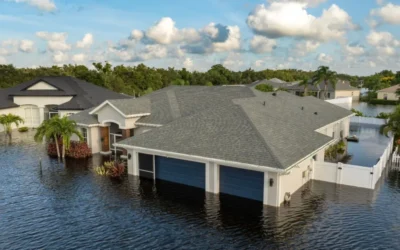 Texas Windstorm Insurance and TWIA: What Coastal Homeowners Need
 Sewer and Water Backup Coverage in Texas: The Endorsement Most Homeowners Skip Until It Costs Them